September 18, 2014 · 1 min read
African Safari Hippopotamus facts and figures
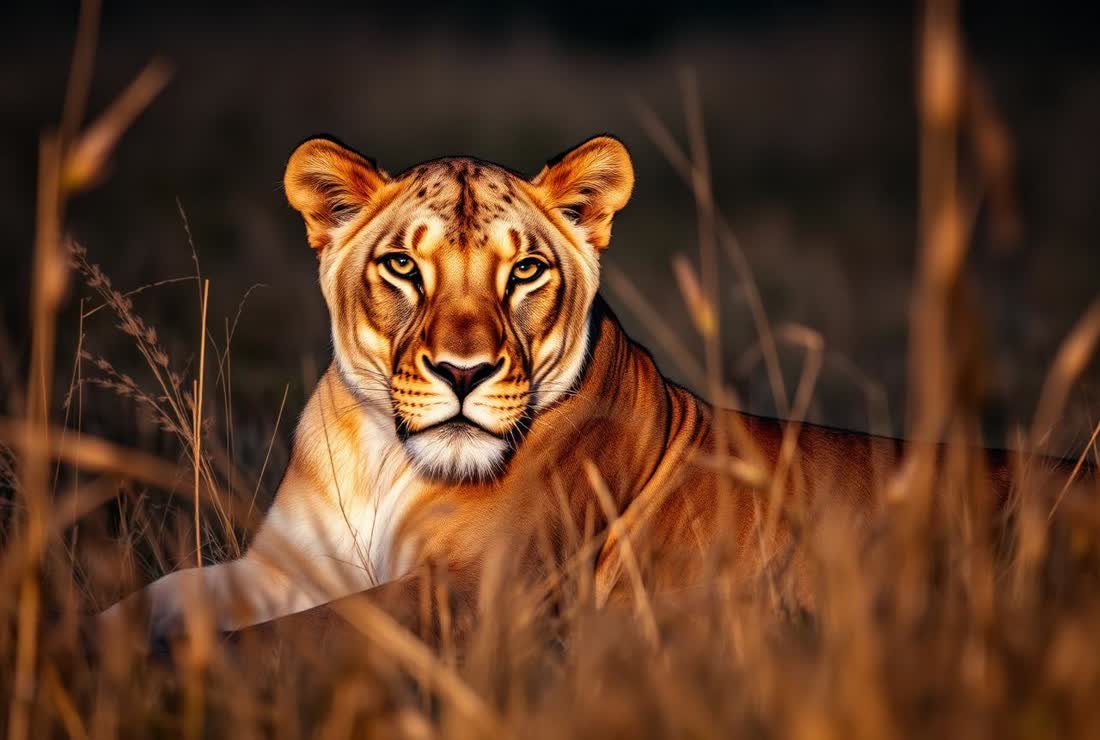
Whilst on an African Safari holiday you can be almost certain that you will see some breath taking sites, and one animal not to miss is the Hippopotamus. These creatures may just look large and clumsy, but behind all that there is some amazing facts that really will open you mind.
In the wild, Hippo’s tend to live until they are approximately 50 years old. After the elephant and the Rhino, the Hippo is the third-largest living land mammal and its hide can weight over half a ton alone. It doesn’t have sweat glands but does have unique glands that produce a thick red fluid, which is often why you will hear people say that Hippos sweat blood. Because of this inability to sweat such as a human would, they rely on water or mud to keep cool. This is why you will often see them bathing whilst on your African Safari holiday.
More from the bush
— 1 min read
THAT video at Kruger National Park
One of the most watched videos of all time, Battle at Kruger is currently sitting on over 74 million views on Youtube. The video shows an unbelievable scene of a rare natural conflict between typical safari wildlife, lions, crocodiles and buffalo. The…
— 1 min read
Hot Air Ballooning on your Safari Adventure
If there’s on type of activity that never fail to disappoint on a safari, it’s hot air ballooning. There’s no better way to capture glorious photographs over the African bush, and if you’ve never experienced ballooning before you’re certainly in for an…
— 1 min read
Exploring the coral reefs of South Africa
Coral reefs all across the world are under threat from acidification, overfishing and pollution. At least 60% of the worlds coral reefs are in threat of being no more. South Africa is unique in the sense that 100% of South Africa’s coral…